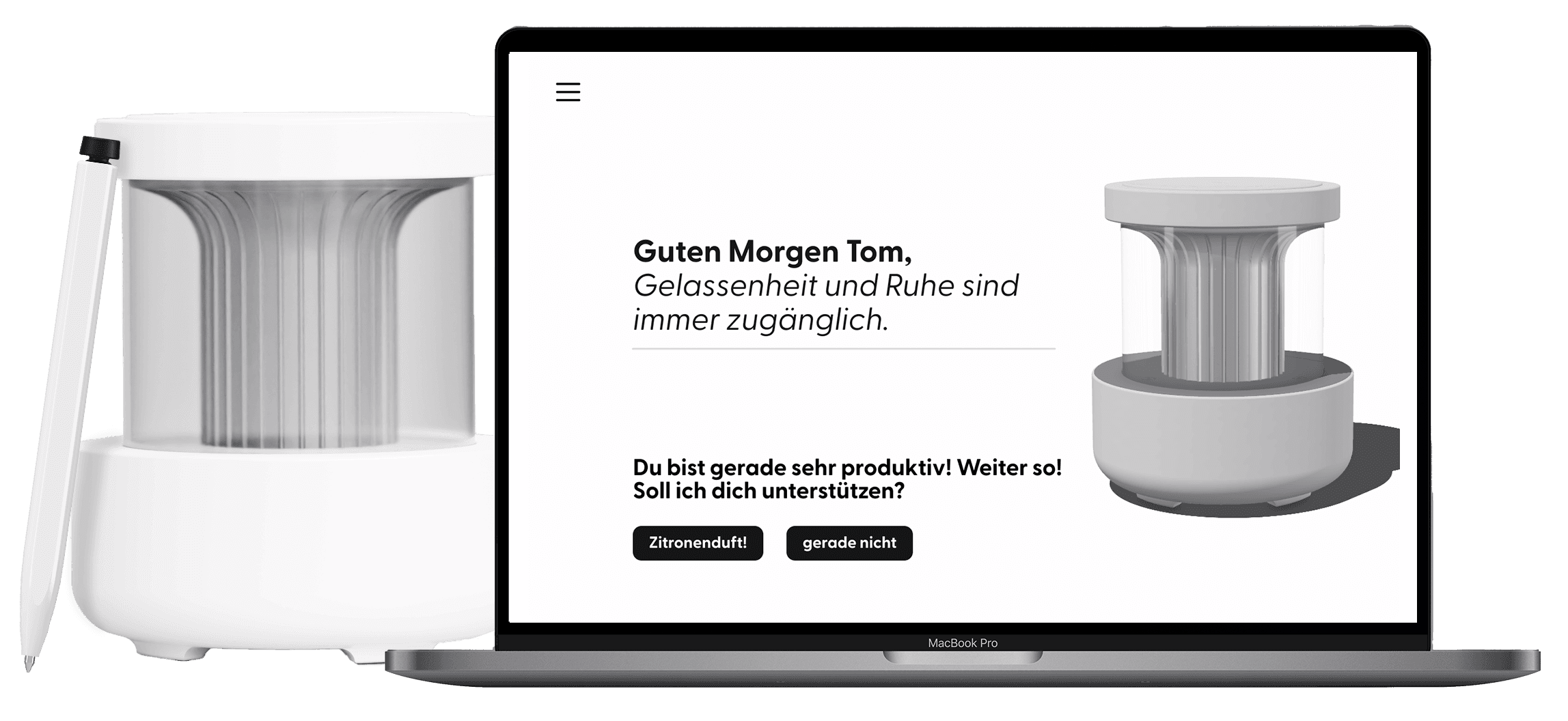
Stimera
Restoring cognitive balance in a hyper-connected world. Stimera is an intelligent system designed to reduce sensory overload by bridging the gap between digital noise and human processing limits. By combining environmental hardware with proactive AI filtering, the system acts as a “cognitive co-pilot” that protects the user's mental bandwidth and transforms overwhelming environments into focused, sustainable workflows.
My Role
UI/UX Design
Wireframing
The Problem
The human brain is not designed to process the constant stream of notifications, visual stimulation and information overload that characterises the digital age. This leads to a permanent state of “information exhaustion”, resulting in a shortened attention span, poor decision-making and chronic stress. Current tools are often based on manual “do not disturb” modes that require discipline – exactly what fails first when we are overwhelmed. The challenge was to develop a context-sensitive system that detects physiological stress before burnout occurs and proactively filters the environment.
Insights
Our research into neurobiology and user behavior has shown that switching between different tasks is the main cause of fatigue.
The invisible threshold: Users often only realize that they have reached their cognitive limits when they are already in a state of “irritation” or “overload."
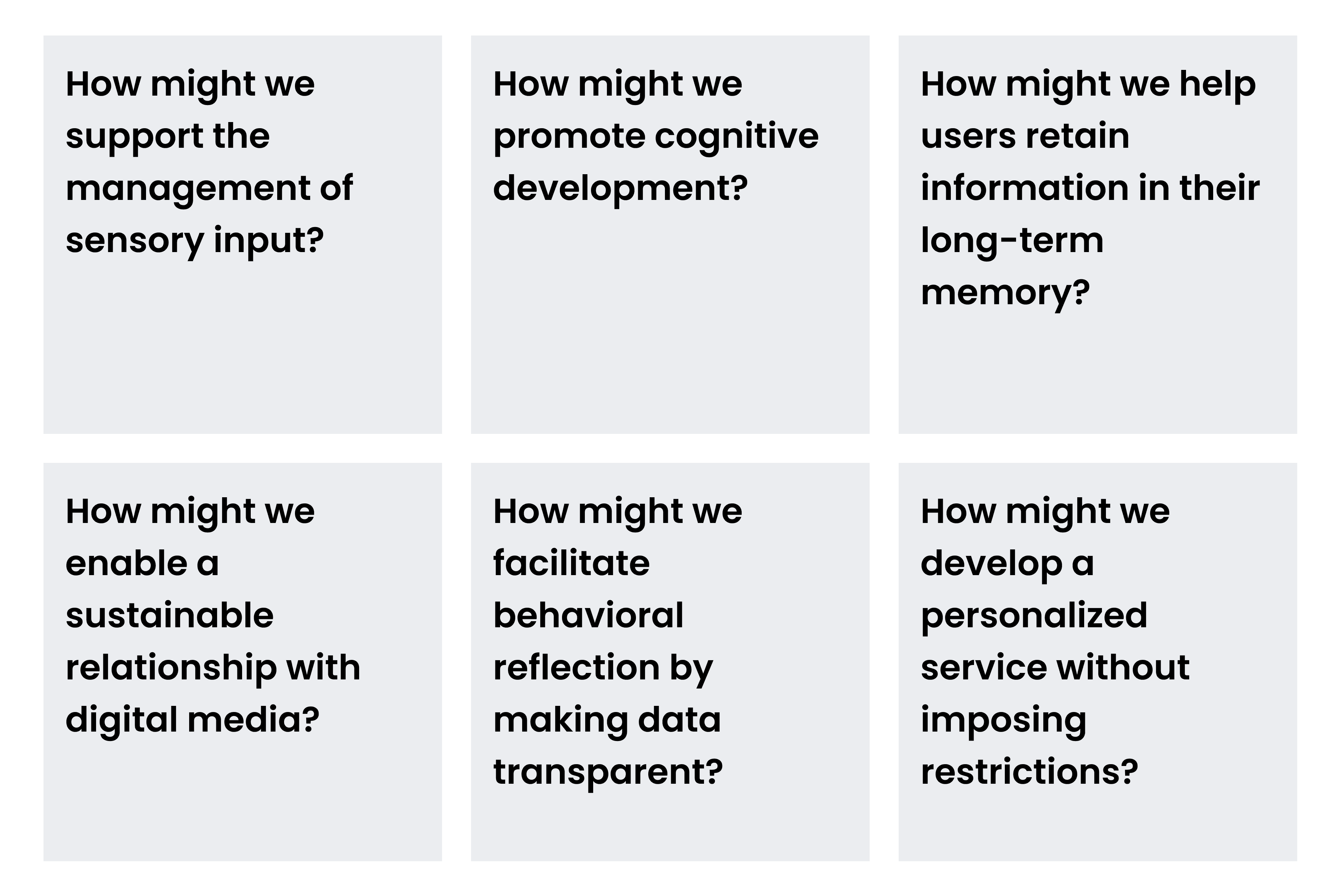
The transparency gap: For long-term behavioral change, users need to see their own data—not to be restricted, but to learn to reflect on their habits.
Sensory reciprocity: Digital stress requires more than a digital solution. To effectively reduce overload, we need a multisensory approach that incorporates sight, hearing, and even touch and smell to anchor the user in reality.
Design Intent
Our strategy was to move away from restrictive “blockers” and build a supportive, collaborative relationship with AI. The design translates the user's mental state into environmental and interface responses:
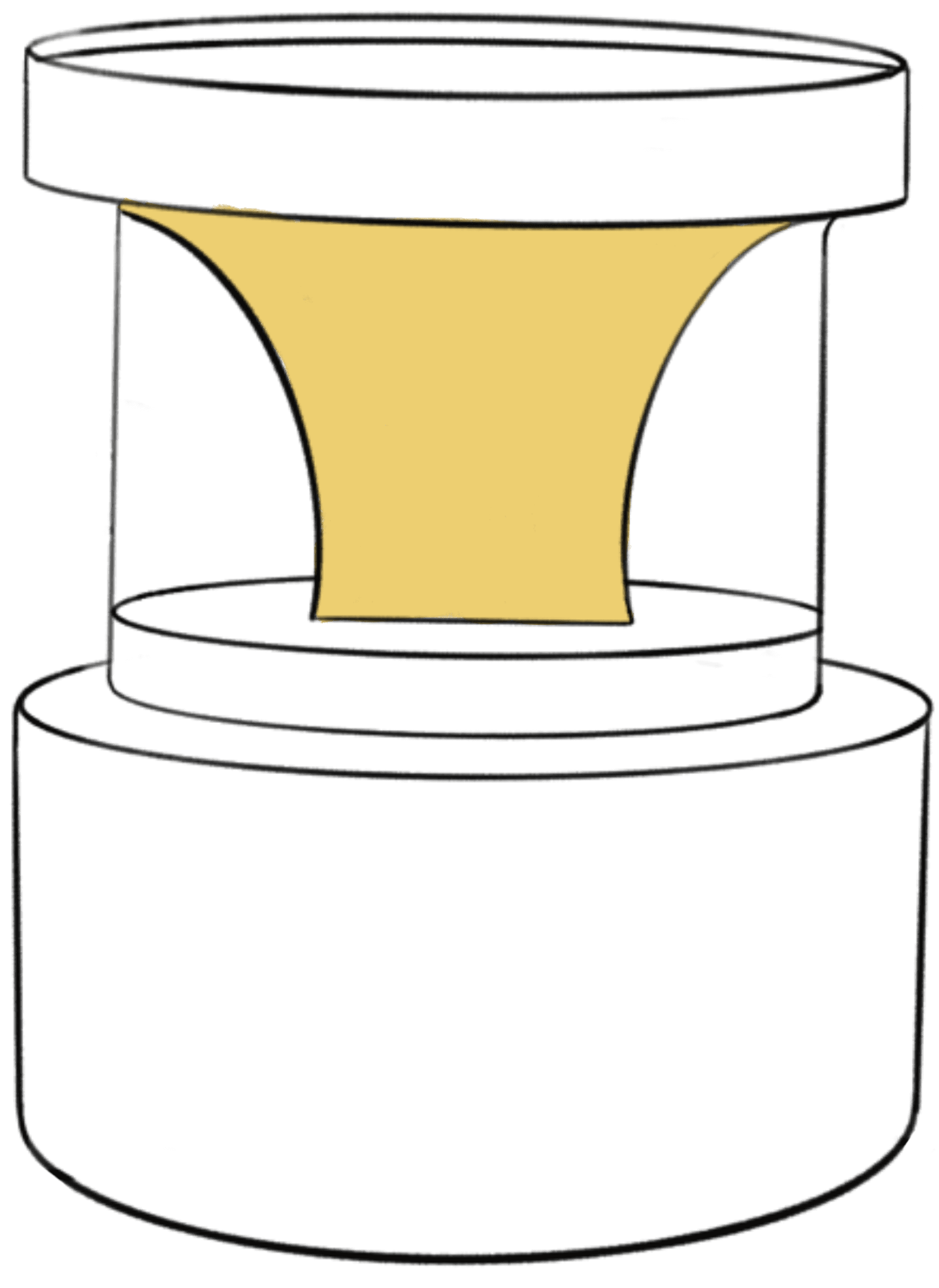
The three-state logic: We developed a system that switches between three modes: receptive, irritated, and overwhelmed. Each state triggers a different level of intervention, from subtle changes in ambient lighting to shielding urgent notifications.
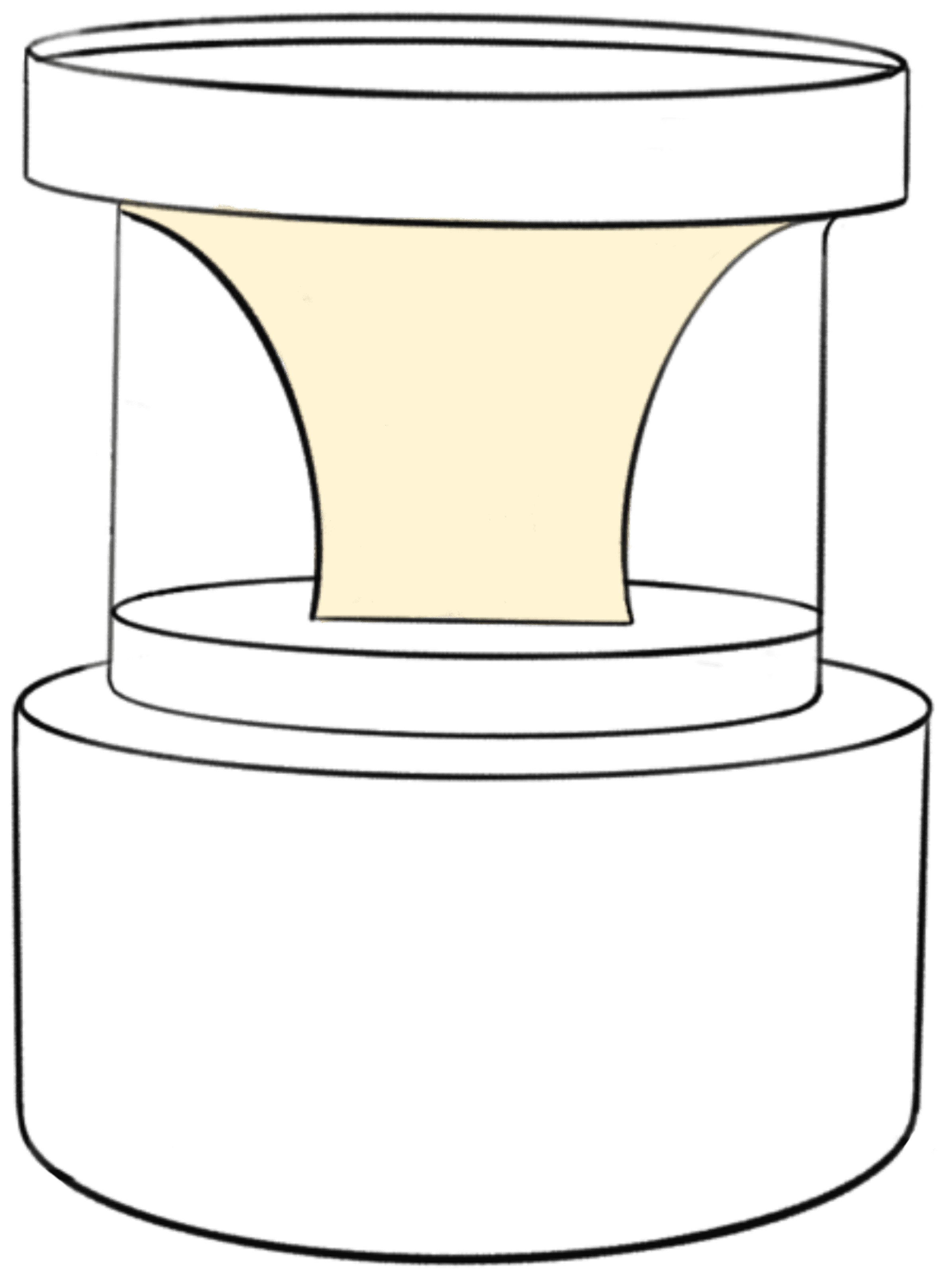
receptive
irritated
overstimulated
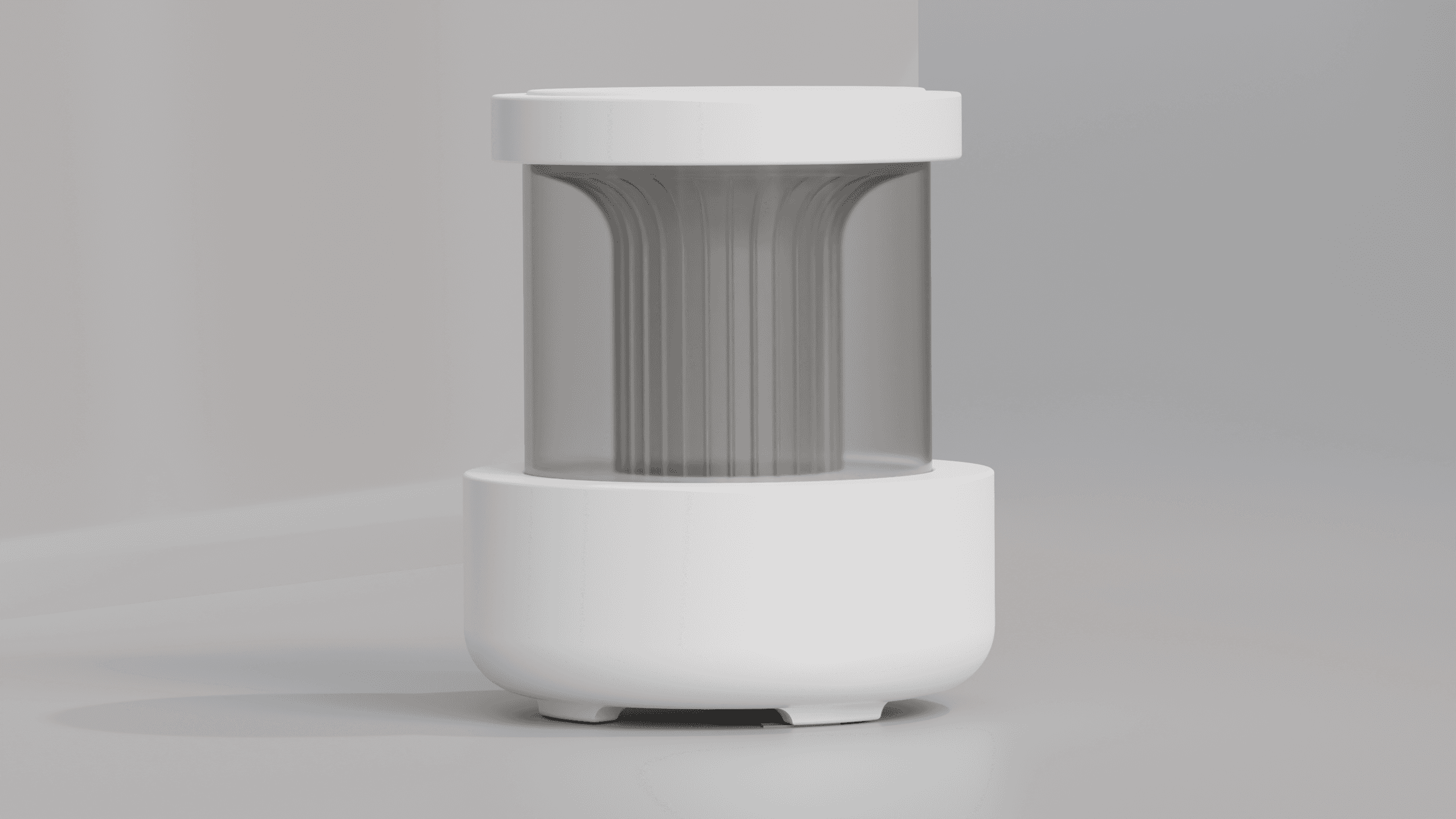
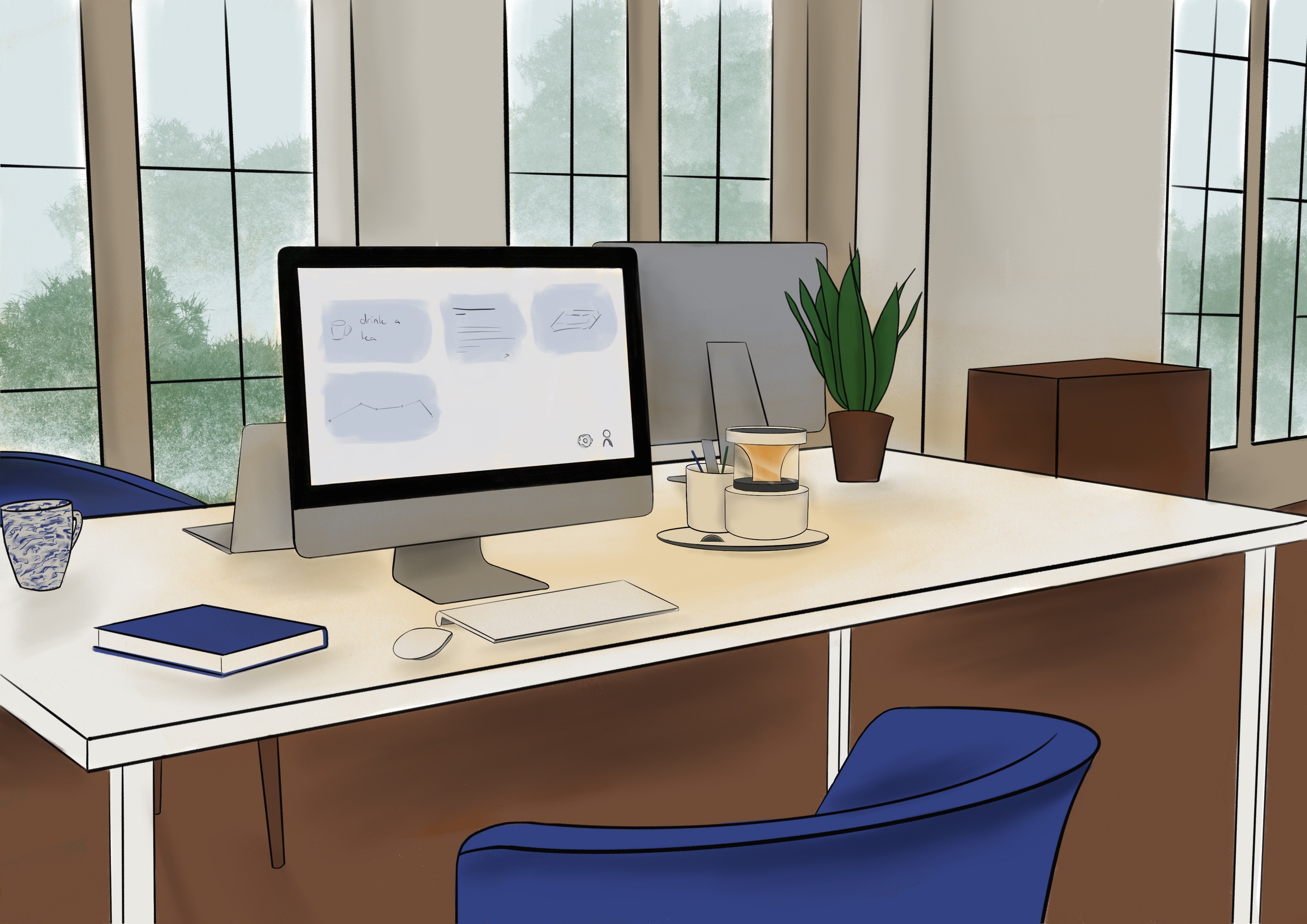
Environmental communication: By shifting the user's status into the physical space via the desk lamp, we have reduced the need for on-screen interruptions, allowing the environment itself to communicate receptivity to others.
Micro-grounding: We have integrated haptic and scent elements to enable an immediate exit from digital stress back to the physical senses.
Product & Impact
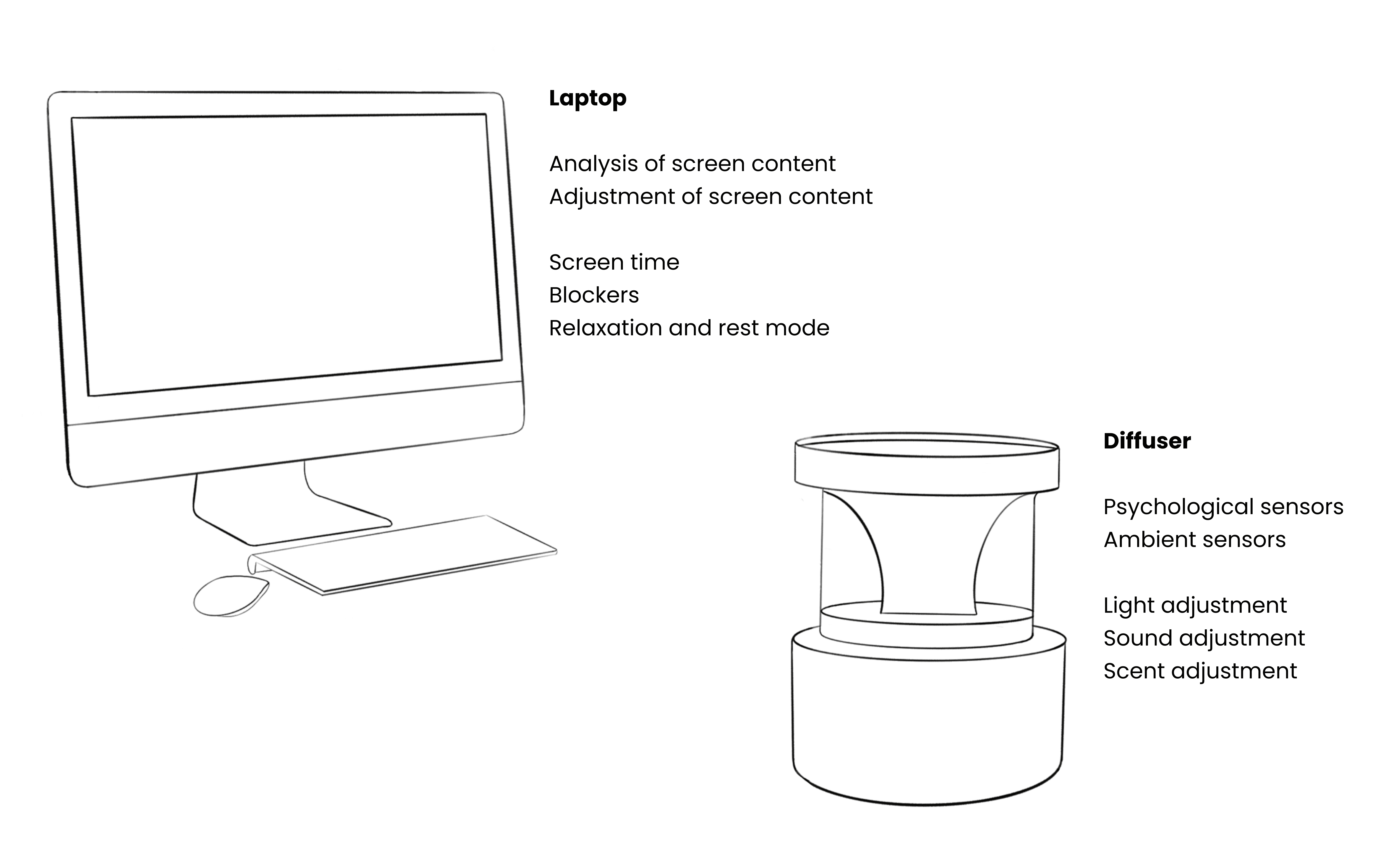
Stimera consists of a synergy of hardware and software that monitors and protects the user's cognitive health:
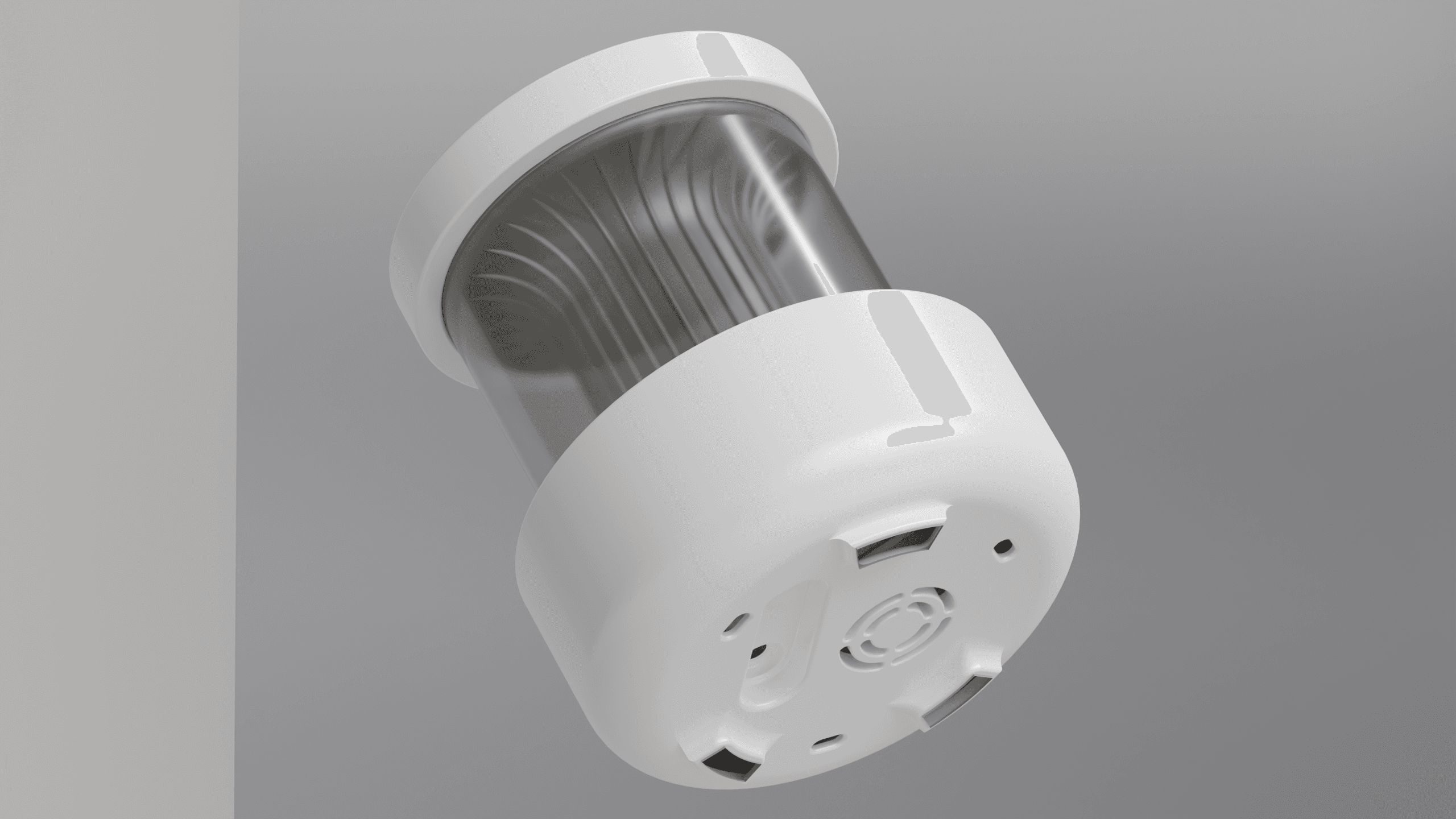
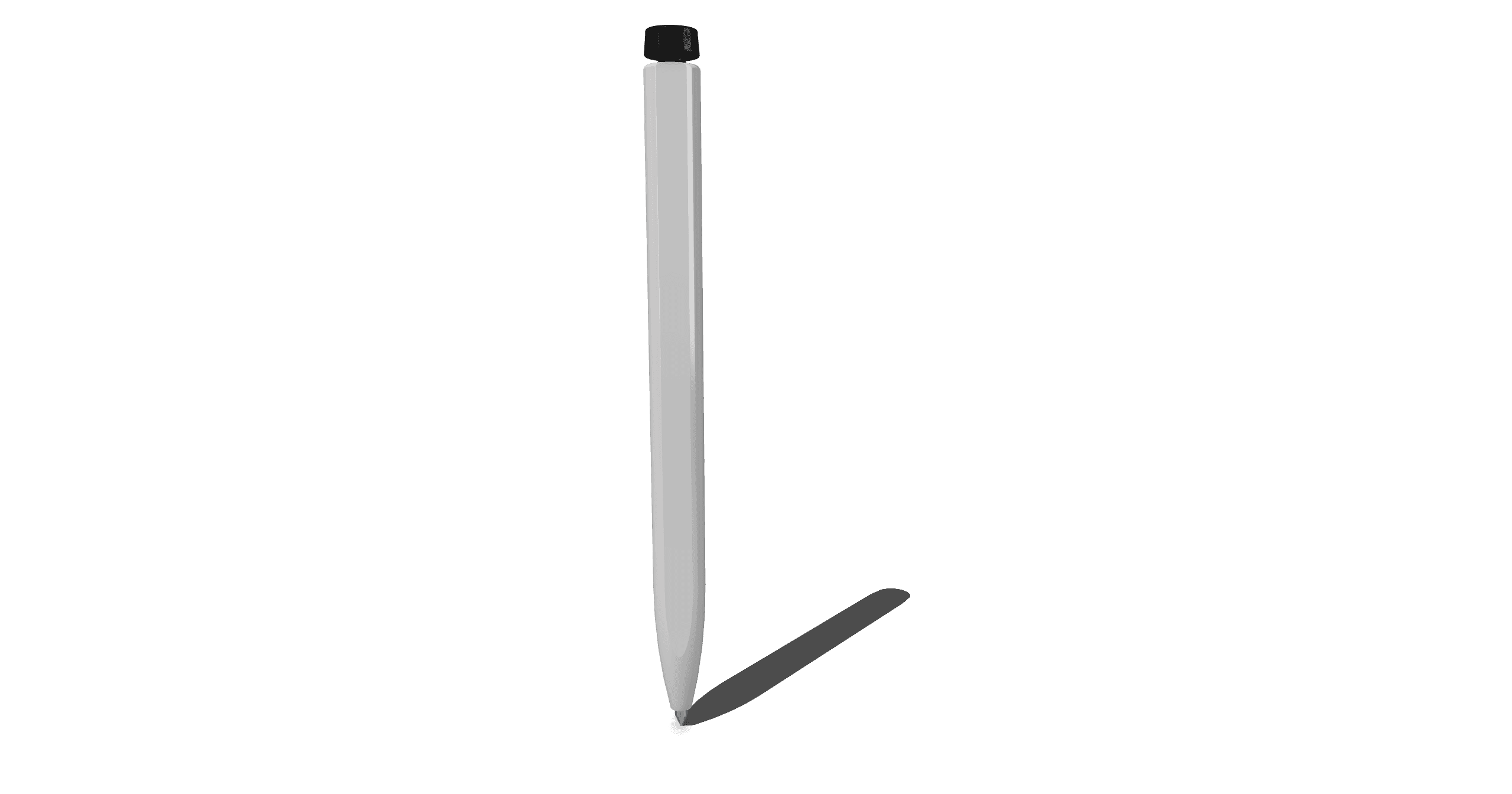
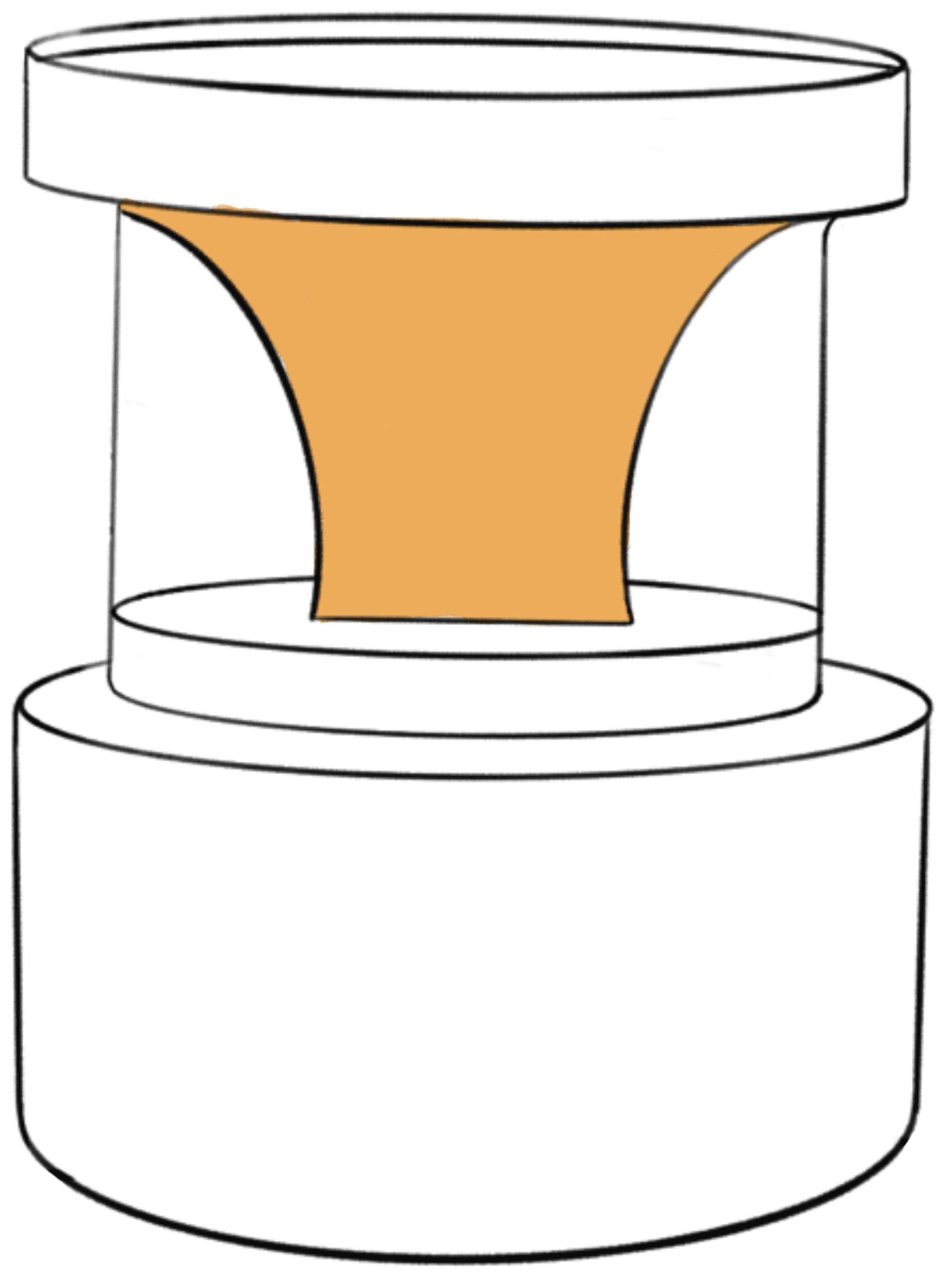
The Smart Hub: A physical desktop companion that communicates mental availability through ambient light, provides haptic stimulation via a tactile wheel on the additional pen, and releases soothing scents to reduce physiological stress levels.
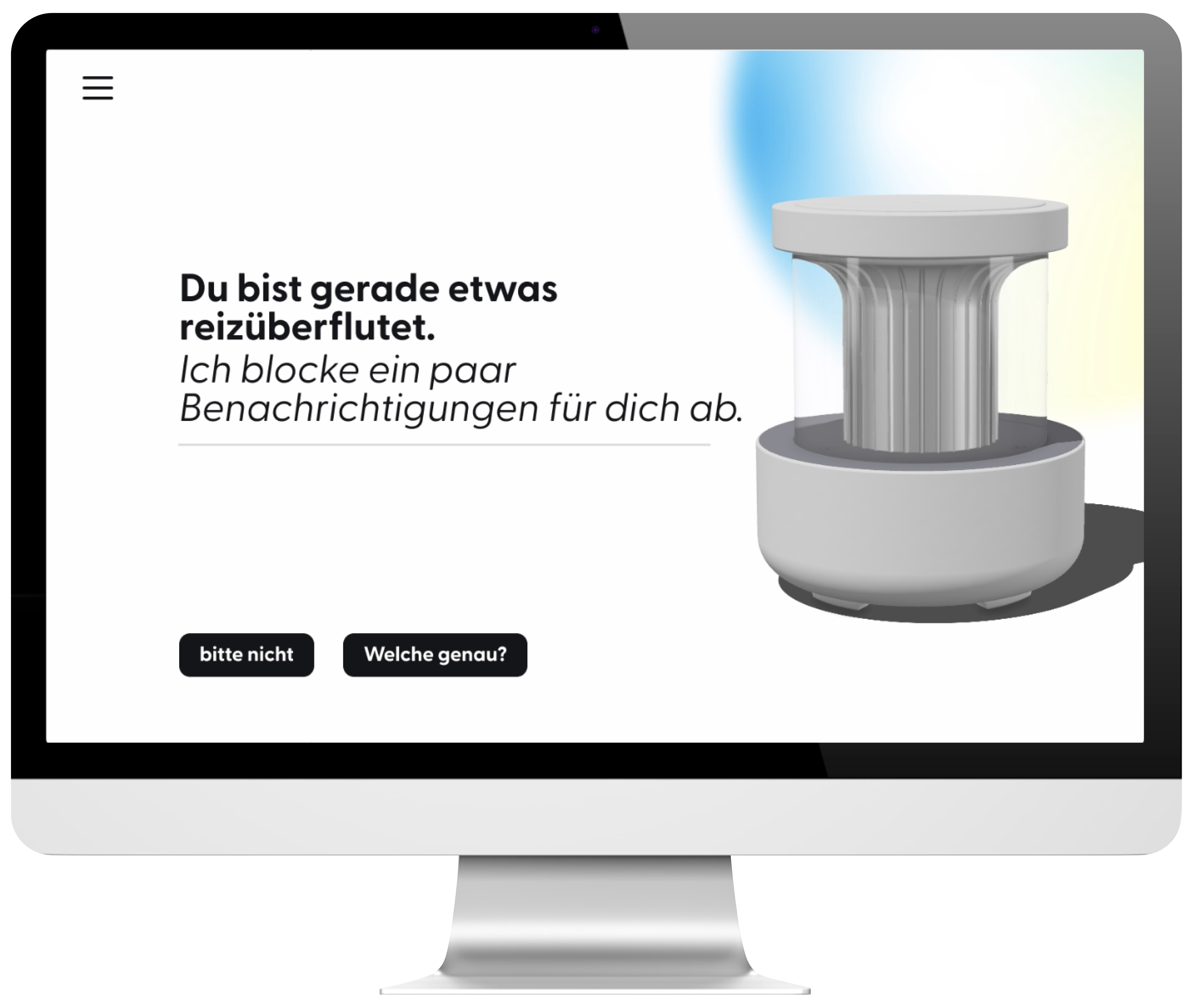
Proactive software protection: A layer integrated into the laptop that analyzes screen content in real time and automatically adjusts visual density and notification flow based on the user's current stress data.
Impact: Stimera transforms the relationship between humans and technology from one of dependency to one of empowerment. By providing transparent data and proactive protection, it helps users regain “self-efficacy” over their digital consumption, significantly reducing cognitive load and promoting long-term resilience in high-pressure environments.